Date: 2026-09-06
The legal question
Does the mandatory imposition of the death penalty (and the use of hanging) in Tanzania violate rights protected by the African Charter on Human and Peoples’ Rights — specifically the rights to life (Article 4) and to dignity and freedom from cruel, inhuman or degrading treatment (Article 5)? If so, what remedial steps must the State take?
Facts and institutional framework (facts distinguished from analysis)
On 5 June 2026 the African Court on Human and Peoples’ Rights delivered a set of judgments concerning multiple applications against the United Republic of Tanzania, including Ndimba and Others (Application No. 056/2019) and Selemani (Application No. 042/2019). The Court found that the mandatory death penalty and hanging breach Articles 4 and 5 of the African Charter, ordered vacatur and resentencing in certain cases, and directed Tanzania to reform domestic law to remove mandatory capital sentencing and the prescribed method of execution. The Court’s decisions were delivered at the Court’s 81st Ordinary Session. (Principal development: judgment delivered 5 June 2026). [Sources listed below.]
Applicable law and institutions
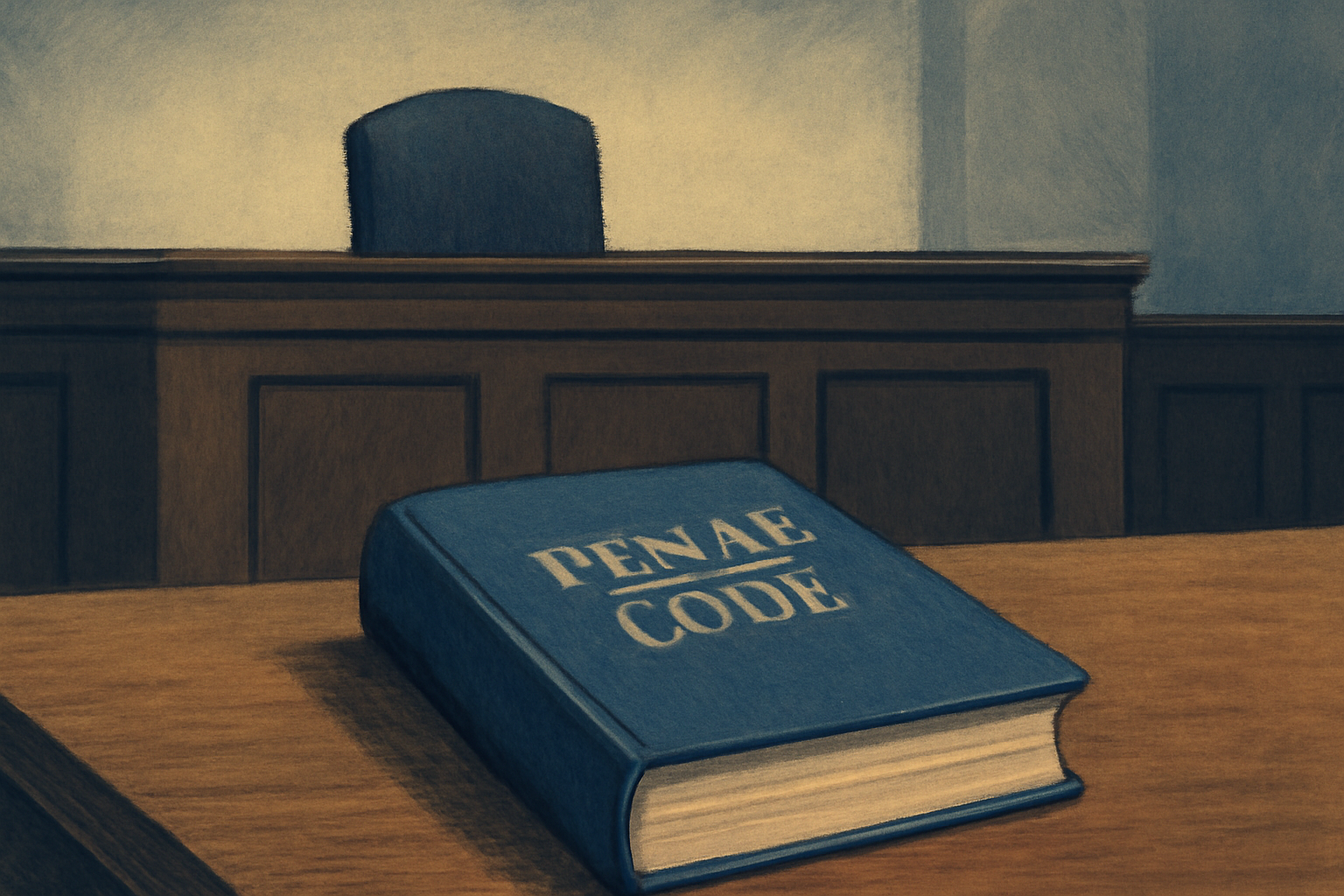
The African Court derives authority from the African Charter and its Protocol; its judgments bind States that have accepted its jurisdiction. Under Article 4 of the Charter, everyone has the right to life; Article 5 protects dignity and prohibits torture or cruel, inhuman or degrading treatment. Tanzania’s Penal Code (notably section 197) prescribes a mandatory death sentence for murder, and domestic practice historically prescribes hanging as the method of execution. The Court’s recent jurisprudence (including earlier rulings) has increasingly held that mandatory capital sentences — by removing judicial discretion — produce arbitrary and therefore impermissible deprivations of life, and that certain methods or the cumulative effect of death‑row conditions can violate dignity protections.
Analytic thesis
The African Court’s June 2026 judgments mark a decisive move from declaratory human‑rights standards to concrete remedial obligations: they require Tanzania (and, by persuasive effect, other common‑law African States retaining mandatory provisions) to re‑open the architecture of capital sentencing. The rulings correctly foreground two linked principles. First, sentencing that eliminates individualized judicial assessment of culpability and mitigating circumstances risks arbitrary deprivation of life and conflicts with Article 4. Second, insisting upon hanging — a method the Court has repeatedly described as degrading — entrenches a dignity violation irrespective of procedural formalities. Practically, the judgments push States to restore judicial discretion and to replace archaic execution methods with legislatively compliant alternatives (including abolition or non‑lethal maximum sentences).
Why this matters beyond Tanzania
Many African jurisdictions still retain statutory provisions that channel judges toward a single outcome upon conviction. The African Court’s orders create an intensifying normative pressure: even in States that have not accepted direct jurisdiction, the reasoning strengthens submissions before domestic courts and commissions, and influences regional policy debates on abolition and reform. The decisions also tighten obligations under Article 27(1) of the Court’s Protocol concerning reparation and non‑repetition measures, increasing the political salience of compliance measures such as legislative amendment and resentencing procedures.
Strongest counterargument
Critics may argue that the Court’s intervention infringes domestic criminal law sovereignty and that States should retain mandatory penalties for the gravest offences to reflect public moral condemnation and deter serious crime. They will also point to electoral politics and crime‑control imperatives that make legislators reluctant to remove harsh mandatory penalties.
Response to the counterargument
That political reality does not resolve legal incompatibility: human‑rights treaties limit punitive choices. Empirical claims about deterrence are contested; international comparative evidence does not show mandatory death sentences confer superior deterrence. Where public safety concerns are genuine, States can legislate proportionate maximum penalties (long‑term imprisonment with parole safeguards) and strengthen prosecutorial, investigative and penal‑system reforms without contravening Charter norms. Respecting treaty obligations and preserving judicial discretion are compatible with robust crime control.
Practical reform proposal
Tanzania should comply in a phased, legally accountable manner: (1) immediately suspend executions and issue a moratorium pending legislative reform and notification of judicial procedures; (2) amend the Penal Code to remove mandatory death sentences (restoring judicial discretion and specifying aggravating and mitigating factors to guide sentencing); (3) repeal statutory prescriptions for hanging and adopt humane custodial and sentencing frameworks (including life imprisonment with periodic review where abolition is politically difficult); (4) institute clear resentencing procedures and legal aid guarantees for those whose sentences are vacated; and (5) publish a compliance roadmap with timelines, subject to independent monitoring by regional human‑rights bodies.
Conclusion
The African Court’s June 5, 2026 rulings demand that States square criminal‑law symbolism with treaty commitments. For Tanzania the choice is straightforward in legal terms: conform domestic law to Charter standards or face repeated binding findings and reputational and diplomatic costs. For the continent, the judgments advance a long‑term shift away from mandatory, mechanistic punishments toward individualized, dignity‑respecting justice.